In Pictures
A Few Views of Izumo City
Some of this is better shown than told.
Start Here
The heart of Izumo's faith, dedicated to Okuninushi. The grounds are extensive and full of sights, including the great hall, designated an Important Cultural Property of Japan, and the Kagura Hall with its striking, massive shimenawa rope. Worship here follows a distinctive form — "two bows, four claps, one bow" — with more claps than at most shrines.
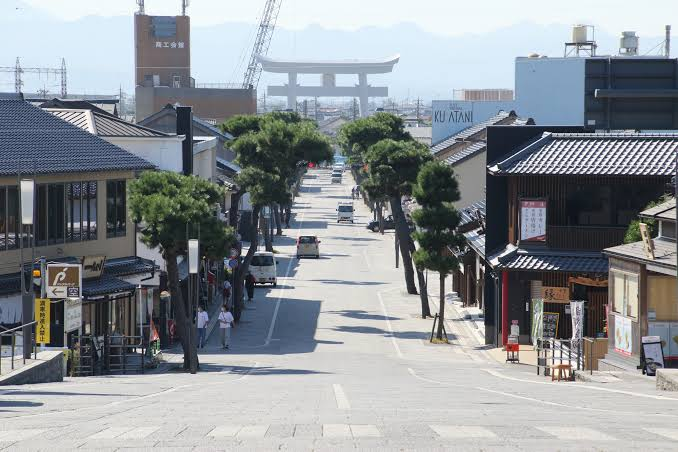
The street running south from the main gate of Izumo Taisha along the approach. Lined with Izumo soba shops, sweet shops serving zenzai, and souvenir stores, it retains the atmosphere of a shrine town, perfect for a stop before or after worship.
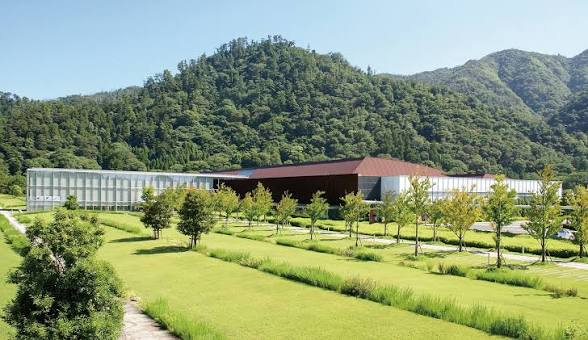
A museum standing just east of Izumo Taisha. Here you can see the actual Uzu-bashira pillar, a reconstructed model of the colossal shrine hall, and the real bronze swords and bells (designated National Treasures) excavated at Kojindani and Kamo-iwakura, all in one place.
The setting for both the Kuniyuzuri myth and the god-welcoming rite. A scenic spot representative of "Izumo, the Sacred Land Where the Sun Sets," offering views of the sun setting into the Sea of Japan beyond Bentenjima.
A Bit Farther Afield
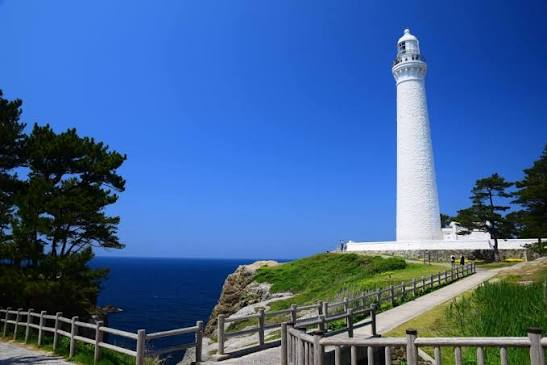
Known as the "Shrine of the Setting Sun," with its vermilion halls and Fumishima, a black-tailed gull breeding ground offshore. Nearby stands the white Hinomisaki Lighthouse, said to be the tallest stone lighthouse in East Asia, with stunning views of the Sea of Japan.
An ancient shrine east of Izumo Taisha, near the Mani-i spring. Known for its great zelkova tree, said to be 1,000 years old, and for the Yayoi-period magatama bead and bronze halberd unearthed here in 1665.
The Kojindani site, where 358 bronze swords were discovered, has been developed as a historical park. The adjoining Kojindani Museum displays the story of the discovery, replicas of the excavated artifacts, and exhibits on the bronze culture of ancient Izumo.
Located in neighboring Kamo-cho, Unnan City, this is where 39 bronze bells were discovered. It's easiest to reach by car from central Izumo City. Most of the excavated bells are now held at the Shimane Museum of Ancient Izumo.
In Pictures
Some of this is better shown than told.
A Tip for Visiting
As noted on the "Kamiarizuki" page, the Kamimukae rite and the Kamiari Festival are held in the tenth lunar month, so their dates shift from year to year on the modern calendar. If you'd like to time your visit to Izumo around this period, we recommend checking that year's dates in advance on Izumo Taisha's official website. The grounds and Shinmon-dori can also get crowded with worshippers, so an early-morning visit is worth considering as well.
The settings of myth, the sites of archaeological discovery, and rites that continue to this day — walking Izumo City means experiencing several layers of Japan's ancient history all at once.
Back to Top →